Showing posts with label San Francisco. Show all posts

Tuesday, May 7, 2019

Fertility Part 10

We have come through a full cycle from when we started The IVF Diet. We have done the two week cleanse entirely twice. I have had my second period after egg retrieval. Last weekend we attended a wedding in Marin County, north of San Francisco, on the coast. I thought it would be challenging to stick to the diet, but it was actually okay.

Sausalito, CA with Sister and Husband
Our hotel, the Fairfax Inn, was near a coffee shop, Coffee Roastery, which offered terrific smells as well as smoothies with an available protein boost. This was our breakfast on Saturday and Sunday. I felt that this was a good sign and that it would be good to trust the universe that the rest of the trip would be just as easy. Through this process, I am learning to let go, trust more, and worry less.

I brought with us some gluten-free baked goods, Nutella protein cookies (which we baked accidentally), sun-dried tomato oat crackers, turmeric seeded bread, and granola. On the drive up (6.5 hours) we had a super green flapjack bar, dried peas, almonds, hard boiled eggs, and beef jerky. I packed at least 3 liters of water, so we did stop about three times for bathroom breaks.

The first night was a BBQ, and I had a (bunless) turkey burger and a bratwurst. The second day, I had an open turkey sandwich on oat crackers. The second evening, I had a salmon salad with asparagus. I did eat a slice of wedding cake, but even doing so, my calories did not exceed 40% carbs. That day was very adventurous with lots of activity (wakeboarding, hiking, and dancing) which burned 3000 calories over 7.8 miles and 20,000 steps.

I read that the first period after egg retrieval is very painful, which it was for me, and the second period after egg retrieval comes very late. This was true for me also. My typical cycle length is 27 days but this past cycle (between the first and second period after egg retrieval) was 35 days. I had read that this is normal, not from my doctor, but probably on reddit, so I wasn't worried.

This post is for me to check in with myself. I feel sad because I have lost a bit of weight, but I am worried it will not be enough. A goal would be to get down to 191 pounds, to have a BMI less than 35. Hopefully, my sister will kick my butt into gear with her hiking adventures IN LESS THAN TWO WEEKS and I can drop a few more pounds. Okay, 10 pounds is the goal.

We had a great tour of the Marin Museum of Bicycling and Mountain Bike Hall of Fame. It was a fun and educational way to celebrate bike month. We also had a good time on the Blumenfield bike ride, which was on April 28th.

From what I read, again on reddit, the third period after egg retrieval is also late. So that may push things back a bit further. I am not really looking forward to hormone injections again. I am definitely afraid about the embryo transfer not working. But fear does not solve anything, so I am trying to stay focused on what I can do in the meantime (diet, exercise, weight loss) to create the best possible environment for success.

Friday, April 7, 2017

Going Greyhound

Going Greyhound to the ACS meeting was a risk, I was warned.  Everything people suggested was true.  The bus depot in downtown LA was surrounded by crack dealers.  The electrical outlets and the toilet on the bus (on the way up) were out of order.  When the electrical outlets and toilet were working (on the way back) we were delayed 2 hours (in the middle of the night) so that we arrived to LA right when morning rush hour was in full effect.


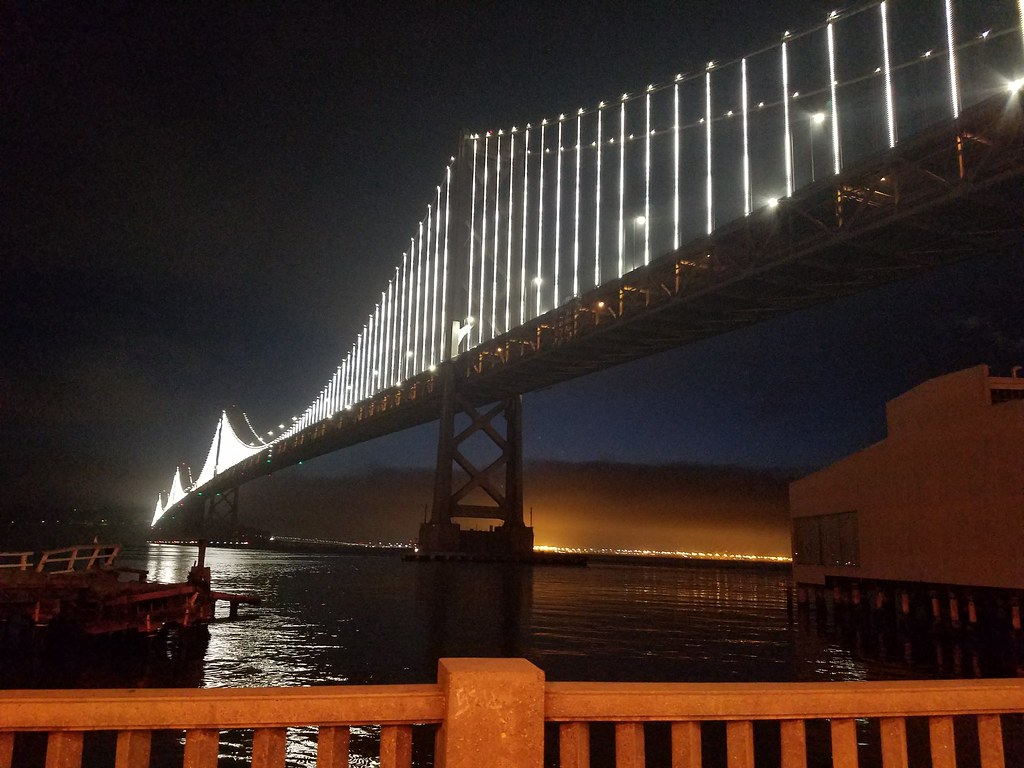
Arriving in downtown San Francisco at 5:30am was kind of strange, but a brisk walk along the Embarcadero was just what I needed after the bus ride up.  I had a fantastic breakfast at Mel's Drive-In on Mission St.


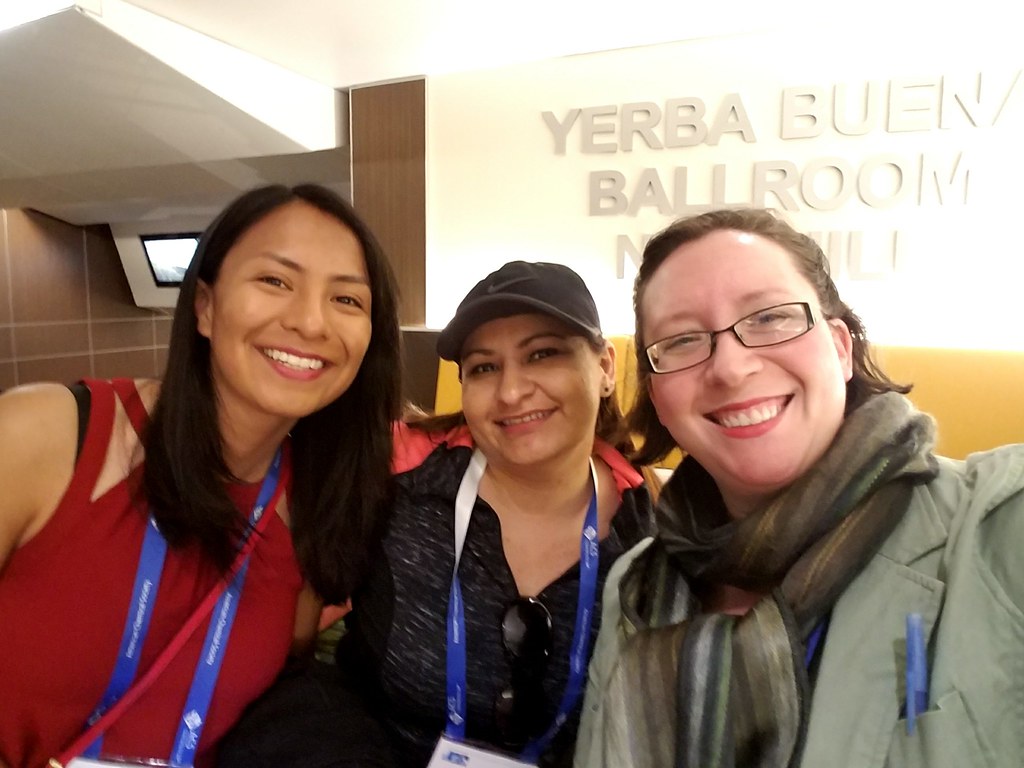
Listening to talks all morning in Marriott Marquis level B2 (the lower basement) with no wifi was awesome, but when I came up to level B1 to send a few tweets, I ran into these Matadors!


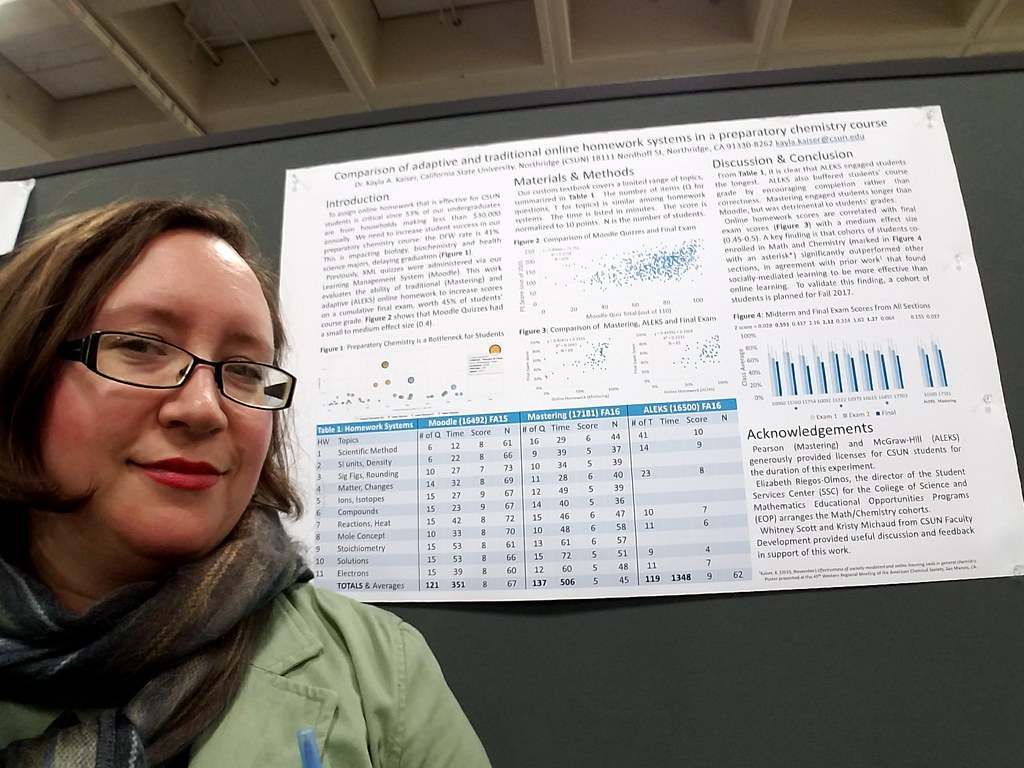
The Sunday evening poster session was great!  I got to meet some new people and exchange ideas.  It was a lot of traveling for that one moment, but I'm really happy I got the opportunity to go.  Formalizing your ideas in writing (by a poster or slide presentation) is so good.

I enjoyed wearing the Alpaca scarf my husband gave me at the last minute.  I didn't enjoy wearing the Cole Haan saddle shoes that seemed sensible but always give me a blister.  I walked 16,000 steps that day.  The Greyhound cost around $81 but since it was late, I had to take a $40 Uber to get to campus on time to teach my Monday classes.  Still cheaper than Amtrak!

Friday, March 31, 2017

New Feels

I'm enjoying the new house.  Although moving is stressful, we did it!  Nothing changes if nothing changes.


Cooking in the new kitchen has been fantastic.  I am even enjoying washing dishes.  The lack of clutter is inspiring.

One thing we Nebraskans always say about the month of March is: "In like a lamb, out like a lion" or vice versa "In like a lion, out like a lamb."  The weather has been mondo windy (lion-like).  But I feel a sense of contentment (lamb-like).

I'm getting ready to attend the ACS meeting in San Francisco.  Taking a "red-eye" Greyhound bus from LA to SF.  My poster is printed and so are my tickets and name badge!

I've been biking to school all week and LOVING IT!!!!  For St. Patrick's Day I wrote a post for Los Angeles County Bicycle Coalition (LACBC) about our motivation for moving to Northridge. http://www.la-bike.org/green_on_the_ground_reseda_blvd

I'm feeling so much.  Making new friends.  Finding new places.  Biking new routes.  Getting lost.  Going to the dog park.  Getting mail.  Rollerskating.  It's scary and exhilarating, exhausting and comforting, risk with rewards.  Trying to pace myself.  I do not need to make everything perfect immediately.

And happy anniversary to my husband of 9 years.  I'm grateful to have found such a super teammate to run this rat race with.

Saturday, March 4, 2017

Car-Free Conferences

I wanted to share a few experiences I've had with attending conferences on my bicycle, using the network of trains and buses that weaves a web throughout Southern California.


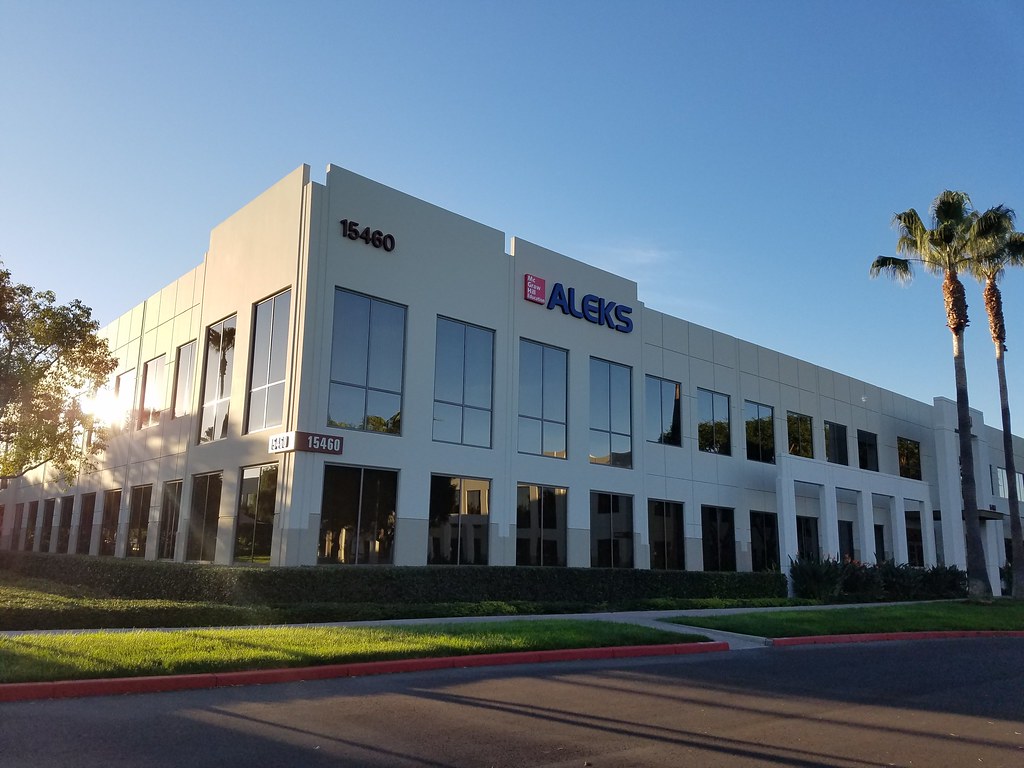
On Friday, November 4, 2016 I attended the ALEKS Chemistry Symposium in Irvine, CA.  


On Thursday, November 3rd I took the Ventura County Line Metrolink train #150 from Northridge to LA Union Station and transferred to the Orange County Line train #606 to the Irvine Station for $10.75.  Then I biked less than 3 miles to the La Quinta Inn and Suites.


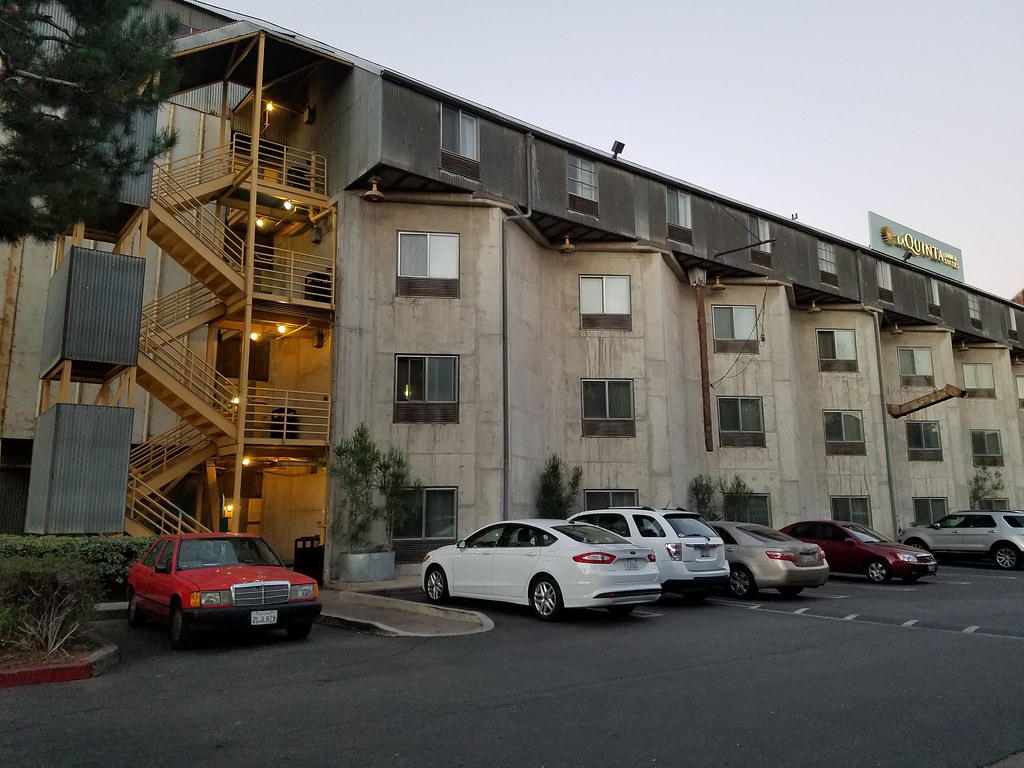
It’s not that often that you can say you’ve stayed at a hotel listed under the National Registry of Historical Sites. Rooms are former lima bean silos and have a hexagonal shape.  I stayed two nights for $217.78.  Due to the concrete walls, the rooms are super-quiet even though the hotel is right next to the train tracks.


The conference went great, ALEKS employees that ride bicycles had a storage "under-the-stairs" area where there were already a few bikes and a few tools. It was hospitable and secure. It's always nerve-wracking taking your bicycle to a new place, not knowing if there will be bike racks outside or a safe place to lock-up. When you can bring your bike inside, it's always a great thing!


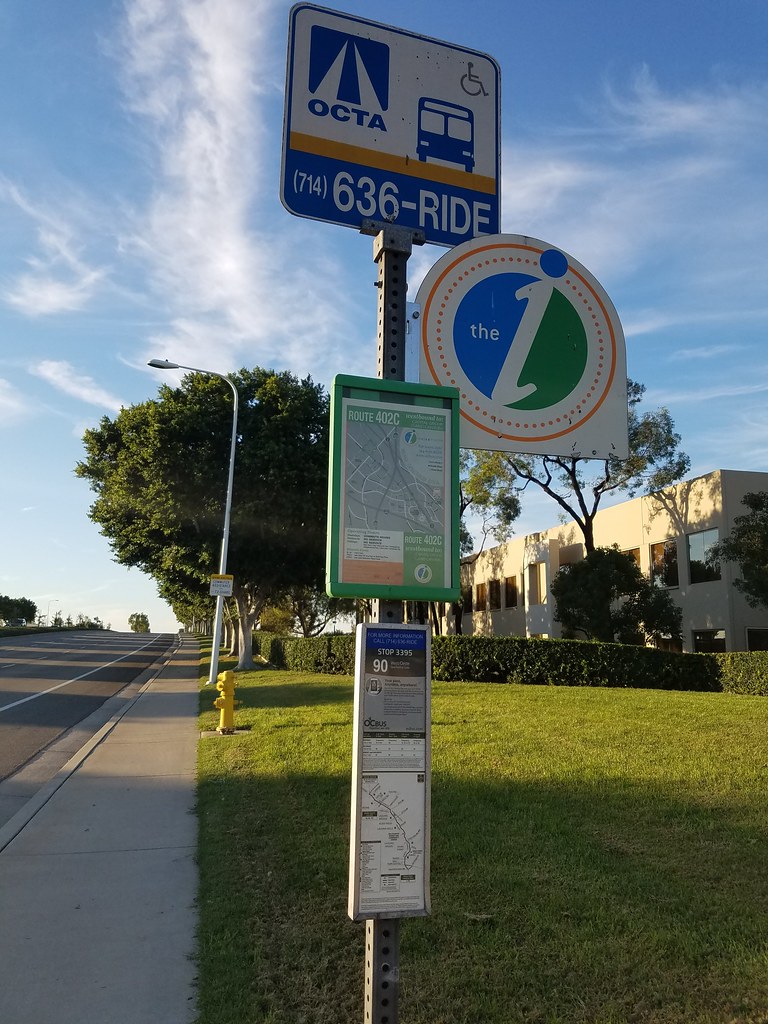
This last photo shows all the modes of transportation I used on that trip.  (1) sweet bike lanes (2) nice sidewalks (3) convenient bus service.  Traveling without a car is even easier when you can use Google Maps and other transit apps to buy tickets and access schedules to predict exactly when your next train or bus will arrive.  There were about 20 people at the conference.


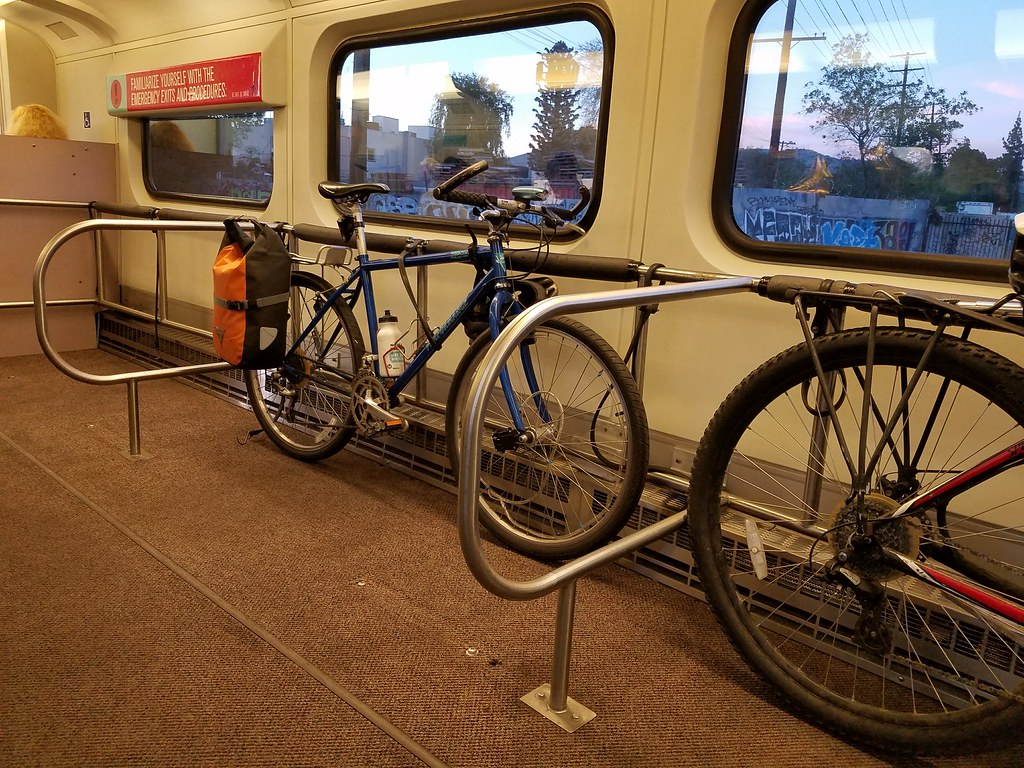
After the conference ended, I took an Amtrak Pacific Surfliner train from Irvine all the way straight to Glendale for $19.  They have roll-on service for bicycles, but you must make a reservation to let the conductor know you are bringing your bike on board.


On Friday, March 3, 2017 I attended the 1st Annual Collaborative Chemistry Conference in Oxnard, CA. 


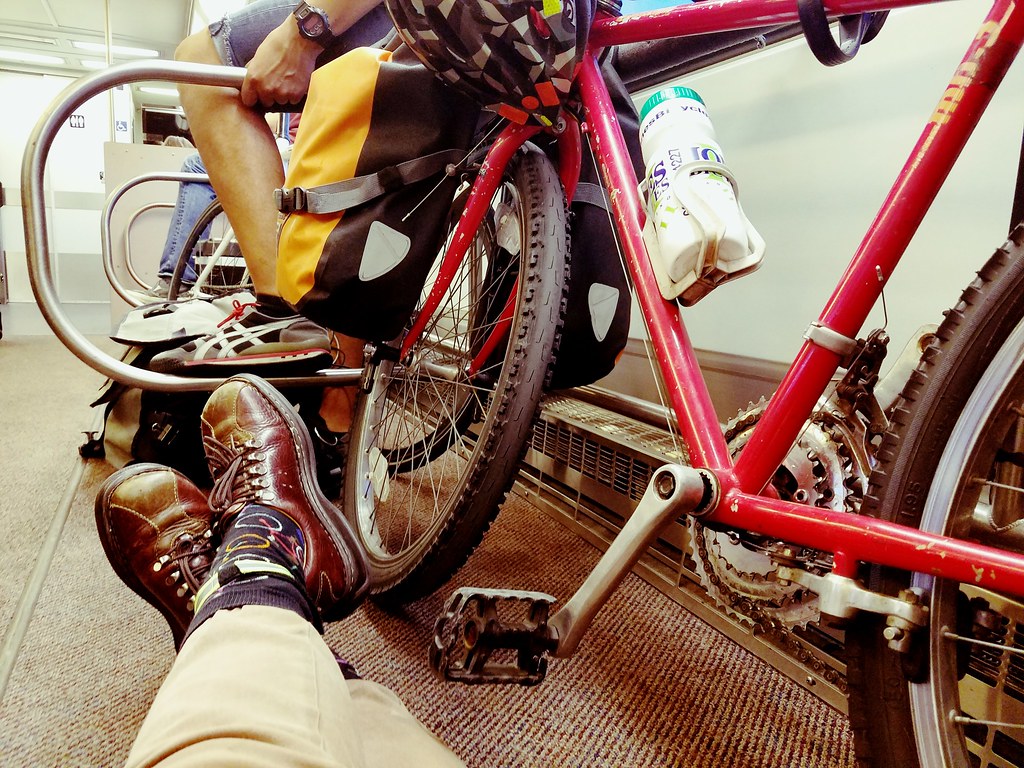
After work on Thursday, I jumped on Metrolink Ventura County Line train #119 from Northridge out to Oxnard for $11.50.  There was a group of commuters playing some kind of card game on their phones.  One lady was celebrating her 20 year work anniversary.  It's always a party on the bike car!


I stayed at the Flamingo Motel.  It was not too fancy, not too expensive ($65).  It was a short (0.5 mile) bike ride from the Oxnard Transit Center.  The great thing is that there was a taco truck parked next door with fresh, hot food.  The cable and wireless internet were fantastic, and the shower had great water pressure.  It was quiet and I got about 10 hours of sleep!


To get from the Oxnard downtown area to the conference location, it was about a 6 mile bike ride.  I left my hotel at ten minutes to 8am.  Checking out of the Flamingo was easy.  Google Maps gave me turn-by-turn directions for a scenic ride through Oxnard along mostly bike lanes.  There was only one small climb, and the view was so fantastic I had to stop and take a photo.


I arrived at the conference location, Channel Islands Boating Center at 3880 Bluefin Cir, right on time for the continental breakfast.  We got a swag bag from Cengage, which was awesome.  The lunch was sponsored by Pearson.  In total, about 30 people attended the conference.  Again, I was able to bring my bike inside the conference room, it was a great conversation starter.


After the conference ended, I biked the 6 miles back to the Oxnard Transit Center again along mostly bike lanes.  Although a few people shouted out their window, what I choose to believe are encouraging remarks, it was a safe and scenic bike ride.  The Oxnard Transit Center (like the Irvine station) has a great waiting room.  There are restrooms, benches, tables, and a cafe.  


I recommend taking public transportation to conferences.  It is a liberating experience.


I'm preparing to attend the 253rd American Chemical Society National Meeting in San Francisco.  I'm presenting a poster entitled "Comparison of adaptive and traditional online homework systems in a preparatory chemistry course" CHED 157. The poster session will be from 7:00-9:00pm on Sunday, April 2nd in Hall A - Moscone Center.

Instead of taking my bike on a train, I'm taking an overnight Greyhound bus. It's a bit crazy, since I'm going up there on Saturday night (schedule 6862), presenting on Sunday, then coming back Sunday night (schedule 6849). The transportation cost is $85.  The Greyhound operates these express buses that only make 4 stops: LA --> Avenal --> Oakland --> SF.  The Avenal stop is 40 minutes, allowing passengers to get food.

It will be nice not to have to worry about locking my bike somewhere, no getting the bike on and off a bus or train. I'm looking forward to using my new Cotopaxi Luzon 18L Daypack. I'm going to make some progress on the billion step challenge by doing more walking.  I'm definitely bringing a neck pillow and possibly some noise-canceling headphones to make sure I can sleep on the bus.

The Los Angeles Greyhound Bus Station is a 2 mile walk from Los Angeles Union Station (even though you would think they would be in the same location).  Then from the San Francisco Greyhound Bus Station it's less than 1 mile walk to the Moscone Center.  After presenting my poster, I'll have an hour to walk back to catch my bus to LA, arriving at 5:30am. Then at 6:51am I'll catch our normal train, Metrolink Ventura County Line Train #101 in order to arrive at CSUN to teach my class at 9:30am. I'll let you know how it goes.

Oh yeah, and also, #626GoldenStreets is tomorrow!!!!!!!!!!!!


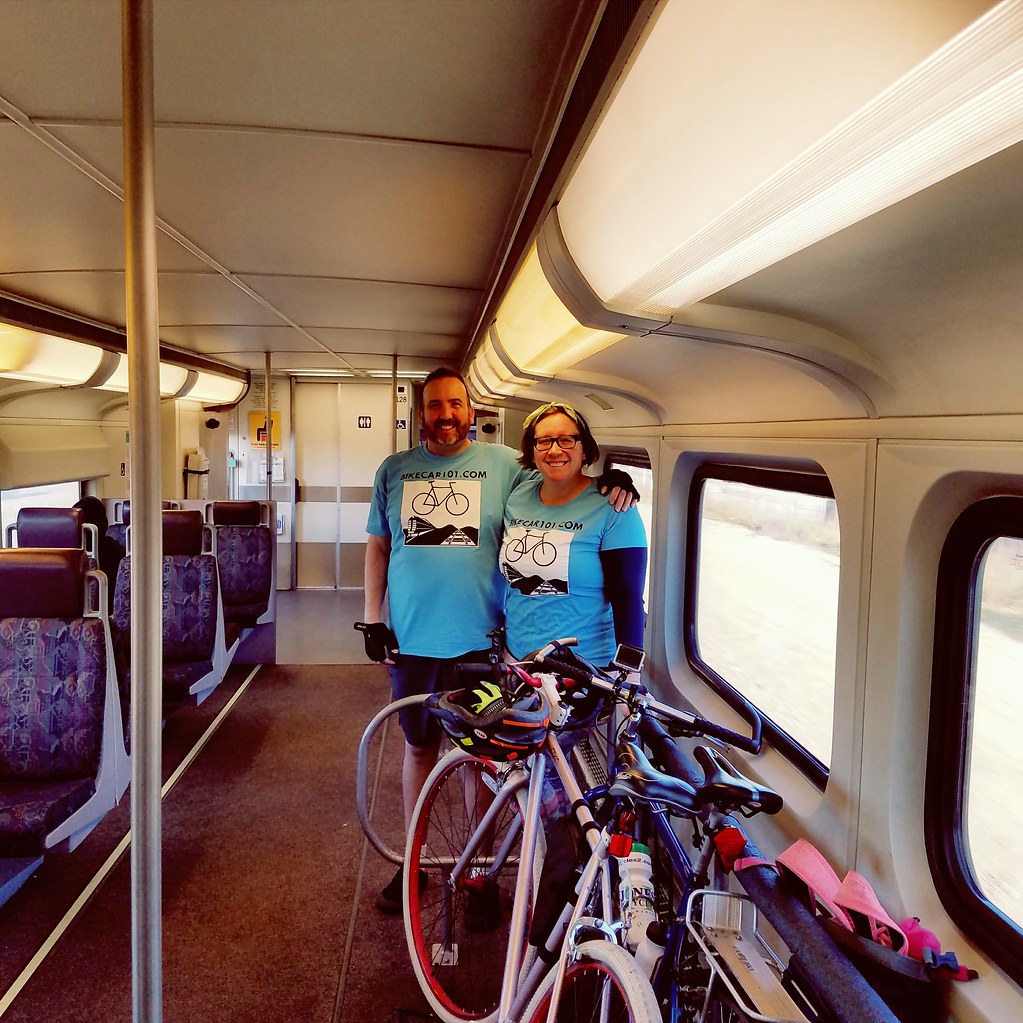
Plan to take advantage of the opportunity to ride Metro Gold Line between South Pasadena and Azusa.  I'll be in my Bikecar101 T-shirt leading the feeder ride from Glendale.


Monday, October 31, 2016

MultiModal Weekend (Part III)

Having taken a bike on Friday afternoon, a car on Friday night, and a walk to the bus on Saturday (both ways), we knew we had to take a train on Sunday.  Luckily, it was a CicLAvia (open street) weekend in Downtown LA and we got to ride bicycles from Glendale to MacArthur Park with an awesome group of people.


Since we had spent the majority of the weekend talking about bike advocacy, we cut our CicLAvia experience short and caught the early train back to Glendale.


The nice thing about catching Metrolink is that it is a short 10-12 minute train ride back to Glendale and then a 10-12 minute bike ride back to our house.


Metrolink monthly pass holders (like us) can ride the train system (bus and light rail, too) for free on weekends.  Non-monthly pass holders have access to the entire system by purchasing a $10 weekend pass.  There is now an app that you can use to purchase your Metrolink pass virtually, in case your trip starts with a bus instead of starting at the Metrolink station (like we did). Screenshots from the Metrolink app are shown side-by-side below.

Remember, your bus pass will not get you on the light rail.  Nor will your light rail pass get you onto the Metrolink train.  But a Metrolink ticket will get you on the bus and light rail.

Last, but not least, if you're going for a short trip, your one-way ticket on Metrolink will be cheaper than a Day Pass.  But if you're traveling a long way (Lancaster to LA Union Station, which costs $11.50 one way) then the Day Pass will be cheaper even if you're not returning on that day to your original destination.  The app makes it easier to comparison shop on your own schedule, without having to mess around with the ticket vending machine (TVM) at the actual train depot.

There is an agreement between Amtrak and the Glendale Beeline and several other bus providers for free transfers, but LA Metro buses only offer a discount to Amtrak passengers, according to Fox 5 News San Diego. If you do take Amtrak, you must call and make a bike reservation (800-USA-RAIL).  Roll-on service is possible on the Pacific Surfliner AND the Coast Starlight.  I guess Amtrak also has a mobile app, but I don't have experience with it yet.


Also, I learned that a Metro TAP card is how you use Metro Bike Share, but I haven't tried it myself yet. Have you?

Monday, July 11, 2016

Slow Mo

I had the best time on my birthday, on foot, taking public transportation.  I took the Glendale Beeline bus to Glendale Community College and walked up Sunshine Drive.  It was a steep hill.  I walked through winding neighborhoods, eating Animal Crackers.  I ran downhill to just miss the NoHo to Pasadena express bus, which was okay because I got a sandwich and ate it while waiting for the next bus.

I boarded the bus at its Glendale stop and got off at Memorial Park in Pasadena just 6 minutes later.  I walked down the staircase to catch the Gold Line and had a nice chat with a friend who also happened to be waiting for the train.  It was only 2 stops to Allen station.  I got off the light rail and walked down to Pasadena City College campus.  I was out all day, and I got a headache from either stress relief or dehydration, but in the end I was glad that I gave myself the time and invitation to slow down and enjoy life for the day.

Last Friday, I took the Metrolink to California State University Northridge.  I rode with a guy who was taking Metrolink for the first time in his life.  He had a career as a limo driver and knew the freeway system better than most people.  In his opinion, the current freeway system cannot accommodate the population of Southern California.  The best we can do is exercise imminent domain, paying market value for people's houses and businesses, to add one or two more lanes to the existing freeway systems.  This will, in his experience, never be able to address our growing population.  The answer, as he sees it, is to get more people taking buses, light rail, and trains.  He also had his bicycle on the train and was planning to get off at Van Nuys and ride about 5 miles to Sherman Oaks.

It was so refreshing to see another person taking transit that seems to "get" the situation like I see it.  I didn't tell him anything about myself, he just let loose with his life experiences.  It was refreshing and part of the reason we think it's so important that cyclists have a dedicated bicycle car on every train. Those recent transit adventures reminded me of Kelly Kearns, who gave up her car for a full 60 days. There's nothing like it to help you appreciate mobility, two legs, two arms, two ears, two eyes, two lungs, and one heart all working together to get you around town.

I've been reeling over a set of maps published in The Washington Post showing our world's natural resources and the effects of climate change.  Los Angeles is part of the SF-LA megacity that drives the gross domestic product (GDP) of the entire United States.  We absolutely need to continue investing in the transit infrastructure to prevent our city from pollution, gridlock, and health issues.  I was meditating this weekend and the only concept that helped me reach a calm, peaceful state of mind was the color green.

Fostering more gardens and less concrete, biking more and driving less, recycling and conservation; these are all ideas that can help us live more sustainably on this planet.  I'm not saying we can reverse the damage we've already done, but I think that there are things we can all do to enjoy what we have now.  We watched the movie Valley Uprising this weekend, about rock climbing in Yosemite National Park.  We also watched some Huell Howser on Starr Ranch in Orange County.  It's difficult to imagine a changing climate that would drive out the plants and animals living in California. Prolonged drought and increased development will lead to such a future where the state I love is no longer habitable.

I hope we can plan an escape for Bike to your National Park day, September 24th.  If you're planning something, let us know where you're going.  Try to completely eliminate the need for a car if you can. Challenge yourself!  Take it slow, enjoy the journey.

Tuesday, June 2, 2015

SF to Salinas Century

My California Coastal Bicycle Adventure will have to be continued... at least I made a century!

Day 1 (5/28): The route through San Francisco was facilitated by the San Francisco Bicycle Coalition, we took the wiggle. The ride through Golden Gate Park was scenic. We ended up on Lincoln Way, which wasn't great. We took 28th Ave nearly down to Sloat and followed Hwy 35 to Skyline through Daly City. We paralleled Hwy 1 via Palmetto and Francisco/Bradford before finding a bike path along Caldara Creek which led us into Pacifica State Beach.  We rode up and over Devil's Slide and down Hwy 1 to Half Moon Bay. We stayed the night at Americas Best Value Inn and Suites, eating dinner at Asian Kings Kitchen. The hotel offered continental breakfast, including hard-boiled eggs!

Day 2 (5/29): The second day of our trip we followed a bike path out of town and stayed on Hwy 1. A fruit stand in Davenport was a life-saver.  We arrived in Santa Cruz and stopped at 'Another Bike Shop.' Our hotel for the night was called Hitching Post Studios Inn.  They had laundry machines, a swimming pool, and a full-sized kitchen.  We rode to the boardwalk and out to the end of the pier.  We had dinner at Taqueria Agave, which served fantastically large portions.


 Day 3 (5/30): We had breakfast at Subway and made our way out of town on Soquel.  This portion of Hwy 1 does not allow cyclists in the roadway, so we took San Andreas to Beach.  The road labeled McGowan is called Thurwachter Rd.  Other than that we didn't have any problems navigating.  After taking Trafton/Bluff/Jensen back to Hwy 1, I noticed signs for a bus to Salinas.  Instead of riding by myself, it was eaiser to put my bike on the bus and get a ride straight to the Salinas Amtrak station.

When I left the house on Memorial Day (from LA to SF via Amtrak Coast Starlight) my panniers weighed about 15 pounds each.  I felt like they got heavier each day of the trip.  By day 3 I was bearly crawling, but I kept moving forward singing to myself "Takin' my time, gonna take my time."  I went through all the stuff I brought and didn't think I could have done without any of it.  In fact, I would have added a sewing kit.


One important thing I did forget was shoes. I ended up buying a pair of Specialized Cadet from Valencia Cyclery.  They worked out splendidly.  One thing that happened that I didn't expect is that my thumbs started getting blisters from the gear-shifting levers.  Also I wore a hole in my long-fingered gloves.


Monday, May 25, 2015

SF to LA packing list

As much as I hesitate to admit, I am undertaking a bike ride from San Francisco to Los Angeles.  The reason I am not keen on bragging about it is that I don't know for sure that it will happen.  The forces of the universe are going to have to sing in harmony for everything to work out.  Regardless, as I pack my bags, I wanted to document the items that I will bring.

Starting from my Top 10 List, I have a bicycle, water bottles, safety flag, helmet.  Said bicycle has been cleaned and tire liners have been installed.  The brakes and shifters are in working order.  I have added a second water bottle cage.  The rear rack has been used to mount panniers.  I bought this bike in February 2010 and named it "mi corazón azul" because it reminded me of Côte d'Azur (the French Riviera).  My husband and I were living 90 miles apart and I was struggling with being separated from him.  My heart was broken, since I had always wanted to live in San Diego (La Jolla) and I couldn't.

SONY CYBER-SHARE DSC-T10 Digital Camera
KODAK EASYSHARE M530 Digital Camera
I am ready to retire my Kodak digital camera.  The things I don't like about it are numerous (1) it takes poor pictures in low-light (2) the compartment where the battery and memory card are stored keeps coming open (3) when the battery is jostled out of its position because the compartment is opened, the date and time have to be reset before you can take a picture.  As a result, there are some pictures that have incorrect date/time stamps because I was more excited to take a picture immediately than to reset the date and time to correct settings.  I will probably bring one of our Sony Cyber-shot DSC-T10 cameras instead.  Those also have a slim profile, and we own two of them.  That means twice the batteries, twice the battery chargers.  Twice the cables for downloading the pictures.  The reason for duplication is the aforementioned 90 mile separation.

The important tools to bring, to keep it lightweight, are: a pedal wrench, a link breaker, a multitool for allen wrenches, tire irons, a patch kit, spare tube, and a pump.  Logan (on pedalingtonowhere) suggests extra rack bolts, zip ties, nuts, and a few chain links. Some of these tools fit in my seat bag, others will have to go in the panniers.  I don't think I would bring extra spokes, but I have located a handful of bike shops along the way.  I should bring bicycle lights, possibly spare batteries or the USB charging cables, and a headlamp for camping.

This tent is over 12 years old... and weighs ~14 pounds
I know it's not a great idea to add new items at the last minute, but I might go buy a new tent today.  The one I have is pretty big and pretty heavy.  There are Memorial Day sales going on, which may bring us a small discount.  I got a 1-person tent for $35 at Big 5 Sporting Goods.  I practiced pitching it twice so I think I'll be good with it.  I'll go to the storage unit today and pick up my sleeping bag.  Don't think I'll have room for a tarp or a yoga mat.  The weather looks good (for San Francisco at least) and hopefully we will be blessed with low winds and no rain!  I'll probably use spare clothes for a pillow.

The outfit I'm wearing above is part of what I will be packing for clothing.  I'm definitely bringing my Adidas track suit.  I will bring a windbreaker jacket.  I will bring about 4 pairs of cycling shorts, my legwarmers, and 2 pairs of arm coolers (to prevent sunburn).  I will bring about 4 pairs of socks and probably 4 sportsbras.  I will probably bring only 2 jerseys, with sleeves.  I will bring 2 t-shirts (one short-sleeved, one long-sleeved) and about 4 pairs of regular panties.  It will be good at the end of the day to change into something clean, dry, and absorbant.  2 pairs of gloves (one full-fingered, one fingerless), and a long-sleeved winter jeresy.  I'll bring my cycling cap and maybe also a hat for wearing around camp.  I want to bring a pair of sunglasses for sure.  I will also pack a reflective vest for safety.

The toiletries that I'll bring include: face wash, face sunscreen, body sunscreen, chamois butt'r, toothpaste, toothbrush, shampoo/conditioner, and cooling foot creme.  I hope to have room for the addaday roller and possibly a racquetball for self-massage. J/K no room for those. A clothesline is a good idea, along with laundry soap that could be used for washing clothes.  I will also pack a small towel or washcloth.  I added contact lenses, contact lens case, contact lens solution, glasses, glasses case, sunglass case.  I added body glide, a hair comb, and face lotion.

For food, I'm stymied.  We had originally planned on having a chase vehicle so I bought a bunch of gus and gels.  But carrying 15 pounds of Clif bars and blocks seems a bit ridiculous.  I have been pouring over a book, Bicycling the Pacific Coast, that details where you can find bike shops and grocery stores along the route.  I'll probably just load up my panniers with the essentials and weigh them.  Amtrak has a 50 pound limit, which I hope I won't get anywhere near, per bag.  I'll just add/subtract until the bags are balanced and reasonable.

I'm reminded of scenes from the movie Wild where Cheryl Strayed thought she had it all and she learned along the way what was necessary and unnecessary.  I packed a mini-first aid kit with different shaped bandaids, sterile pads, athletic tape, triple-acting antibiotic oitment and Aleve.

Monday, August 18, 2014

248th ACS National Meeting Digest

Whew! What a conference experience~!

Sunday, August 10, 2014 *Improv Day
9:00am "From transient to persistent propargyl radicals: Exploiting a steric factor" Gadik Melikyan
10:20am "Total synthesis of polycarcin V and exploration of its DNA-binding properties" Tom Minehan
Lunch = ACS Board of Directors "The wonders of the periodic table" Sam Kean
1:30pm "Improvisation Training for Chemists" Lydia Franco-Hodges
6:00pm "Asymmetric bis(terpyridine) ruthenium dimers as ketone transfer hydrogenation catalysts" Eric Kelson
BIKED HOME WITH ANNE!!!!!!!!

Monday, August 11, 2014 *SciMix Day
7:00am ACS Member Insurance/Younger Chemists Committee 5k FUN RUN!!!!!!!!!!! Loved running by Keith Haring, "Untitled" (Three Dancing Figures), Version A, Edition 2/3, 1989, painted aluminum.
10am-2pm Naptime... zzzzzzzzzzzzzz! I was wiped out from traveling and doing the fun run...
8:00pm SciMix poster session
"Metabolic profiling of the rat gut microbiome" Cynthia Larive
"Preparation of asymmetric bis(terpyridine) ruthenium dimers: Ligand substituent effects on ketone transfer hydrogenation energy" Eric Kelson
"Assessment of three dairy waste management practices in the removal of common vetenary antibiotics" and "Chemical and biological assessment of the change in endocrine disrupting chemicals through a pasturization-digestion treatment of dairy manure" Diana Aga

Tuesday, August 12, 2014 *Communication Day
Slept in... zzzzzzzzzzzzzz
Lunch = hot dog
1:00pm "Communicating Science to the Public" Introduction byTom Barton (ACS President)
1:10pm "Engaging different audiences" Panel: Susan Morrisey (Assistant Managing Editor, C&EN), Christopher Avery (AAAS Policy Fellow, DOE), Darcy Gentleman (ACS Office of Public Affairs), Terri Taylor (K-12 Education at ACS), Amanda Yarrnell (Assistant Managing Editor, C&EN) and breakout sessions
Video reporting of discussion breakouts
3:00pm "Laugh, share, and demo: Chemunicator advice" Rudy Baum (C&EN), Peter Ludovice (Georgia Tech), Matthew Hartings (American U, @sciencegeist), Diane M. Bunce (The Catholic University of America)
4:10pm "Effective videomaking" Adam Dylewski (@ACSReactions)
SWAM IN THE BAY!!!!!!!!!!!!!

Wednesday, August 13, 2014 *Conference Hookey Day
BICYCLE ADVENTURE!!!!!!!! Rode from Pacifica State Beach along Half Moon Bay.
We biked a 16.77 mi route through Devil's Slide and along Hwy 1 (scary) to a bike trail along Half Moon Bay. The route had a total ascent of 828.63 ft.  This route burned 966 Cal even though we decided to take Bus Route 17 back to our car.


Thursday, August 14, 2014 *Global Stewardship Day
Slept in... zzzzzzzzzzzzzz
10:15am Monitoring and Evaluating Environmental Exposures: Case Studies Incorporating Statistical Approaches to Evaluate and Predict from Large and Fuzzy Datasets
Lunch = hotdog
12:40pm "IUPAC: Emerging Issues and Challenges Global Food Production and Food Security"
"Global Food Challenges and trade policy considerations" Tim Josling (Food Research Institute at Stanford University)
1:00pm "Sustainable improvement of agricultural yields through the application of modern biotechnology" Bruce Chassy (Food Safety and Nutritional Sciences, U of Illinois Urbana-Champaign)
Poster session "Synthetic elicitor, CMP442, increases innate plant resistance to pathogens" Thomas Eulgem
2:00pm "Enhancing global food security through sustainable pest and disease management"
Terrance M. Hurley (Department of Applied Economics, University of Minnesota)
Panel Discussion = very interesting!
Made risotto for dinner = YUM!
ZYDECO DANCING at Yoshi's Oakland, Jeffery Broussard & the Creole Cowboys!!!!!!!!!!!

Friday, August 15, 2014 *Dharma Day in Marin County
Friday Morning Meditation and Yoga Class with Dana DePalma and Ashley Sharp (yoga) at Spirit Rock
Pt. Reyes BIKE RIDE!!!!!!!!!!! We biked 17.88 mi. The route has a total ascent of 1626.54 ft. We saw a herd of Tule Elk.  This ride burned 965 Cal.

Saturday, August 16, 2014 *Thank a Farmer Day
We rode our bikes to the Alemany Farmer's Market. It was HUGE. Immense. Sprawling. Diverse. Our route was 4.91 mi. The route has a total ascent of 316.8 ft and has a maximum elevation of 242.16 ft. After we got home, we headed over to Walnut Creek for "An Afternoon of Rumi" which was spiritually fullfilling. We had an All-American summer family farewell dinner with hamburgers, corn on the cob, and watermelon.


The greener meeting challenge was a no-brainer since I biked to and from the conference center, staying with a family member negated the need for changing sheets and a maid service.  I biked a total of 40 miles that week via Route 47 and 50 in San Francisco.  I walked to and from Union Square and Moscone many times on Sunday, August 10th.  I enjoyed the Fun Run with City Running Tours as a way to see the city in a running group.  I had the water bottle from my bicycle, which I refilled at the bottle station in Moscone North.  The conference theme was inspiring!  Thanks ACS.

Tuesday, August 12, 2014

Perspective

Today I am writing in a post-vacation conference whirlwind!  It's hard to believe it's already mid-August.  July flew by, for me at least.  I left sunny Southern California on July 21st and headed to the Pawnee County Fair in rural Nebraska.  It was a great time to connect with growing food, raising livestock, and crafting.  The 4-H'ers that I met were creative and caring, fun, serious and knowledgeable about their animals.  I got to hear the Governor of Nebraska speak about the importance of being a Livestock-Friendly county.  Nebraska is the number 1 feeder of cattle and is the number 5 state in production of popcorn!

I loved riding my bike down gravel roads, alongside tractors and horses, through small-town America.  I loved drinking $0.60 coffee at the Little Brown Jug and transporting salads from Subway to my sister's house by a bag thrown over my handlebars.  I loved the driving tour to see the buffalo and all the lakes for fishing in Pawnee county.  I loved spending time with family, including the 4-membered she-wolf pack of dog-cousins.  It was so relaxing to be there, and so fun to watch tractor pulls, rodeos, and mud volleyball.

My time in Omaha was also exciting.  We went to a botanical garden and the zoo.  We went for a nighttime ninja bike ride through the city.  We made "Cycling To Sanity" t-shirts with iron-on felt lettering.  We gathered supplies for a cotton/wool/silk dye-day.  We did a pre-sunrise bike ride along the Keystone Trail.  We dyed silk, tencel, and cotton skeins for my mom to weave her scarves.  We dyed bamboo socks.  We indigo dyed silk scarves.  All in all, it was an amazing time in Omaha.  I especially loved the day my whole (nuclear) family was there and we went out to dinner.


The days in Lincoln were no less awesome... I spent time with my grandparents at their domiciles.  My aunt and uncle joined us for dinners and lunches.  We went on a couple Hot Dog Runs (not literally running) eating outside, inside, and at a pub.  We ate on "O" street and downtown in the Haymarket.  We visited the sunken garden and places where we used to visit as kids.  I went on a solo bike ride along Billy Wolff trail that took me to the outskirts of the city and then back.  We went to Pioneers Park.  I loved honoring the heritage of our family, from the farm to the big city.  I loved hearing old stories about living without electricity and surviving the dust bowl.

All good things come to an end, just like my time in Nebraska.  I drove out here to San Francisco for the American Chemical Society national meeting.  It's been great hearing professors from Northridge give their oral presentations.  The Improvisation Training session was completely wonderful.  Running with the Younger Chemists Committee was a blast.  The SciMix poster session was very busy and I met some people I didn't expect to see, which made it more valuable than I could have planned.

This afternoon I am participating in the session "Communicating Science to the Public" which should be fun.  Tomorrow there are some session about chemistry education that I would like to attend.  Thursday there are two oral sessions that I may drop by called "Contaminants of Concern" and "Resistance Management" which are fitting considering that the theme of this meeting is "Chemistry & Global Stewardship."  Speaking of which, I had better get going.  I am LOVING riding my bike to and from the conference center.  It's 4 miles from where I'm staying so I'm getting my fill of riding in this bike-friendly city with its green lanes and totally rad bike culture.  It's like CicLAvia every day here, seriously.

Saturday, June 28, 2014

Chemistry Champions semifinalists named

A heartfelt thanks to everyone who supported my video in the Chemistry Champions contest.  What an exciting way to share my journey and tell my chemical story!  The 10 semifinalists and their video titles are:
Congratulations to the ACS members selected to present during a private workshop on August 9th. Even though I was not named a semifinalist, as an ACS Chemistry Ambassador, I can attend the following events during the 248th ACS National Meeting & Exposition.
  • How to be a Better Communicator: the Alan Alda Center for Communicating Science will present Improvisation Training for Chemists. Sign up for a three-hour session, either 9 am—to noon or 1:30—4:30 pm, Sunday, Aug. 10, at the Hilton. Tickets are $10 and are available here
  • San Francisco symposium--Communicating Science to the Public: Moscone Center South Building, Room 104, 1-5 pm. Tuesday, Aug. 12
  • San Francisco Reception for all Chemistry Ambassadors: Tuesday, Aug. 12, 5-6 pm, Moscone Center South Building, Esplanade Ballroom 306.
I don't feel bad about not winning.  As I posted on this blog, it was an experiment in social media.  Every experiment is a chance to learn.  I kind of knew that I would be out-classed by those with newer devices.  My video camera is woefully out of date compared with the new phones and tablets that make video capture extremely easy.  Heck, I don't even know how to record video directly from the integrated webcam on my eee PC.  I don't think my phone even has video.  I recorded the audio using a Sansa Clip.

I do have an older video camera (circa 2007) that still uses casette tapes. And getting the video to a PC for editing requires FireWire 400 alpha which requires my old Gateway 450SX4 laptop (circa 2002). Amazingly enough this setup still functions, but for some reason it felt like too much work to make a ChemChamps video where I was actually addressing the camera directly. Also I have no tripod. Also I have no lab. In other words, I don't work in a lab at the moment. My classroom is my lab and the best documentation I have of my work is in 10-second timer photos of myself at the chalk or whiteboard.

The time I tried to install a heat shield... unsuccessfully!
My attempts to edit video using the HP Pavilion TX1000 in 2009 were unsuccessful since it caused the computer to overheat.  My advisor had let me borrow an HP Flip HD camera to record video of myself in the lab, working with my undergraduate student researcher.  The data was so large that it was impossible to deal with on the computer I had.  I took the thing apart and tried to see where the problem was, and ended up ruining the mother board.  Thanks to a repair by Riverside Computer Center, I had a new mother board but as of today, the PC won't turn on.  It's a shame since I had Minitab installed on there and have not been doing any multivariate statistics since that PC died.

I always thought I would end up as an old nutter in a garage full of old electronics, and I'm getting pretty close already although I have a storage unit instead of a garage.  I kind of like old technology.  Some of the photos in my video were taken with a Olympus Stylus film camera.  I love new technology too.  I scanned the images printed from 35mm film using an HP Office Jet 4500.  I love that document feeder!  The video was edited using Windows Movie Maker on a Dell Inspiron 660 with 8 GB of RAM and 1.8 TB of memory (of which 1 TB of memory is still free).

Other photos were taken with a 3.3-Megapixel digital camera HP Photosmart 720 (2003-2005) which sadly died in an accident involving a decomposed jack-o-lantern.   My next digital camera was a 4.1-Megapixel Sony DSC-S60 (2005-2007) which died in a collision with a concrete patio at the hands of my nephews during our engagement party.  Then, I got a 7.2-Megapixel Sony DSC-T10 (2007-2010) which died swimming in a pool of pickle juice.  My current camera is a Kodak 12-Megapixel Easyshare M530.

Plotting this data results in a fit according to Kryder's Law where taking the log of megapixels and plotting it versus the year yields a linear relationship.  Using this fit to extrapolate to 2014, the data suggests I should have a 27-Megapixel camera by now.  It looks like the budget compact cameras now have 16-Megapixels while compact megazoom cameras go as high as 18-Megapixel.  Sony has a high-end camera 24.3-Megapixels (HD) which sells for upwards of $500.  So I guess we're not quite to 27-Megapixels yet.  And do we really have the digital storage for images that large?  It's certainly more common to see HD televisions, so I guess it makes sense that we can capture high-resolution images, too.

I guess what I'm doing is making excuses and reminiscing about outdated electronics instead of talking candidly about my contest video entry.  What I realized through making and sharing my Chemistry Champions video is that I am afraid to address the camera.  You can see me doing this in the video below.  I was nervous while talking to the camera even though you can see I am standing in the CMC Student Garden next to my Syngenta corn.  It was a place I felt connected to and I was speaking about a topic for which I have a passion, also knowing the cameraman was an expert, still I was uncomfortable.


The W. M. Keck Science Department Presents The Nano Fashion Show from Claremont McKenna College on Vimeo.

This is why I'm excited to still have the opportunity to engage with the events planned for Chemistry Ambassadors at the ACS National Meeting in San Francisco.  I feel I can improve my confidence and further distill my message to make engaging outreach a success.  One professor recently suggested I imagine I am 7 feet tall.  I'm still struggling with that, but I'm a work in progress.

I do appreciate the Chemistry Champions contest because it got me writing more on this blog.  I amped up my twitter posts as well.  I got some new followers and followed some new tweeps.  I expressed some views about social media, diversity, and big data that are near and dear to my heart.  I started this blog waaay back thinking that when I got 10,000 views I would submit a book proposal.  Now we are in the era of eBooks and self-publishing.  A colleague recently asked me if I know anything about creating an iBook.  I doubt it could be done on a PC.  Obviously books are still relevant if there are still bookstores, but it seems as our attention span is getting smaller and electronic storage is growing, people want eBooks and 3 minute HD video clips.

Tuesday, June 17, 2014

The Importance of Being Diverse

I hate stereotypes, but they are a part of our culture.  For example, when people hear that I am from Nebraska they assume I was not educated in a diverse environment.  Fortunately for me, I won a lottery and was part of a magnet program.  The categories in the graph labeled wash. and harr. were my neighborhood schools.  Instead of those schools attended by my sisters, I attended Franklin Learning Center and Martin Luther King Science Center for first-second and fifth-eighth grade, respectively.  From the graphic you can see that my younger years were spent in a diverse environment, at least one that contained a majority of African-American students.  My high school, Omaha North, was about evenly split between African-American students and Caucasians, which is why we called our dance team "salt 'n' pepa."

Attending University of Nebraska at Kearney was a culture shock for me, coming from an urban environment (Omaha) to a rural one. Thanks to Dr. Jerry Fox, retired Director of International Education, our campus had a large percentage of international students.  Dr. Fox was our guest speaker for the 39th annual Southern California Alumni Luncheon (2014) which was a great event.  I made it a point to seek out and cultivate relationships with our international students and had the experience of studying in Bonn, Germany for a month one summer.  This experience gave me a sense of what international students experience here including homesickness and the yearning to hear one's own native language again.

My graduate school experience, starting at Arizona State University, started a journey further West and into a more diverse territory in terms of Hispanic and Latino students.  Not until I started teaching at Estrella Mountain Community College did I experience learning in a truly Hispanic-serving institution (at least a 25% Hispanic undergraduate full-time-equivalent student enrollment).  EMCC had a fantastic NASA Center for Success in Math & Science where I spent time tutoring students who were willing to work hard to achieve a firm understanding on the content in their STEM courses.

University of California, Riverside has claimed in the past that it is "the most diverse in the University of California system" but a recent ranking by US News and World Reports has UCLA and UCR tied for the 5th most diverse universities in the USA with a rank of 0.70 out of 1.0.  Other schools in the UC system are not far behind at 0.68 (Davis, Santa Cruz), 0.67 (Berkeley, Santa Barbara), 0.66 (Irvine), and 0.64 (San Diego).  The other UC schools not mentioned in the report include San Francisco and Merced.  This was my first immersion in a predominantly Asian and Pacific Islander culture.  I learned about the Society for Advancement of Hispanics/Chicanos and Native Americans in Science (SACNAS) as a support network for increasing diversity in STEM.

After finishing my Ph.D. I taught at the the W. M. Keck Science Department of Claremont McKenna, Pitzer, and Scripps Colleges.  Scripps College in Claremont, CA has a diversity score of 0.54 (#18 out of 215 ranked liberal arts colleges).  I didn't represent this two year period in my life on the graph because I am focused now only on public institutions.

By attending the ACS 44th Western Regional Meeting after moving to California State University, Northridge, I learned about National Organization for the Professional Advancement of Black Chemists and Chemical Engineers (NOBCChE).  It's great that there are organizations out there for seeding and nurturing talent in underrepresented groups.  Teaching at CSUN for the past year has been an amazing experience.  Among CSU's, the most diverse are 0.75 (East Bay), 0.72 (Long Beach), 0.70 (Fullerton, Sacramento), and 0.68 (Fresno, Northridge).  Other schools in the CSU system are not far behind at 0.66 (Stanislaus), 0.65 (Dominguez Hills, Monterey Bay), 0.62 (San Bernardino), 0.59 (Los Angeles), and 0.51 (Chico).  In total there are 23 campuses in the CSU system.  Not mentioned in this post are CSU San Jose, San Francisco, San Diego, San Luis Obispo, Humboldt, Maritime, Pomona, Sonoma, Bakersfield, San Marcos, and Channel Islands.

Diversity imparts an advantage to any population


The point of this post is to emphasize that inclusion of people or things that are different from each other affords the population as a whole an advantage in a changing world. Take for example UCR's citrus variety collection. This unique resource of 1800 living trees, of 900 different types of citrus (2 trees each variety).  This collection and others like it for different species can be used to study virus attack and identify which species may have innate resistance.  Maintaining a diverse collection allows the industry to have access to a wealth of genetic variation that can help trees be saved when an invasive insect arrives.  The figure shown here profiles some of the citrus contained within the diversity collection.  Our modern fruits are crosses between the ancestral citrus (citron, mandarin, kumquat, pummelo, and trifolate).

Fruits with a primarily citron genotype (#14, 19, 20 and 21) were compared with fruits of a predominant mandarin traits (#145, 171, 180, 195, 207 and 212) and those of mainly pumello character (#239, 282).  For fun a few mixed genotype fruits (#303 and #316) were also sampled which were pumello/mandarin and mandarin/citron hybrids.  We found the mandarin rind contained geraniol while the citron rind contained terpine-4-ol.  The citron rind had many metabolites in common with the pummelo but did not contain menthatriene, terpine-4-ol or carene.  These terpenes were recorded by GC-MS after extraction into DCM.  These metabolites impart qualities to the fruits including such tasting notes as “fragrantly aromatic” and “exquisite form and aroma.”  We even had the chance to work with the "Buddha's hand" which is more rind than juice and can be used to perfume rooms or prepare candied rind.  Diversity is defined as showing a great deal of variety; very different.  The array of tastes and smells found in the Citrus Diversity Collection is a microcosm of California's population.  We each contribute common and unique traits to make the whole state a more interesting place to work or study.

In my home garden, I support diversity in the plants I cultivate.  Some plants, such as basil and rosemary, serve to enrich others.  Tomatoes are said to be more flavorful if grown near herbs.  Other plants, such as radish, are planted as trap crops.  Trap crops attract harmful pests away from your more prized plants, such as Japanese Pumpkin.  Dill attracts tomato hornworm, and is a good companion for fennel.  Oregano attracts predators, thereby reducing aphid populations.  Parsley attracts helpful pollenators, including wasps, flies, and butterflies.  Sage attracts honeybees and repels parasites.  Seeds are collected and replanted to keep the whole enterprise going.  I reject the notion of a monoculture being more advantageous, it is certainly less sustainable.  I sow these plants in harmony which makes the garden overall more biodiverse and more successful.

In chemistry, we find incoming freshmen (out of high school) of all ethnicities are bright, talented, motivated, and interested.  But usually more than half are lost in the first semester.  They tend to move away from science, toward business or some other field.  It becomes important to track students' progress and cultivate mentoring relationships.  What has also worked is making introductory courses 5 days per week instead of 3 days per week with time for problem-solving during class.  This helps students succeed in "gatekeeper" courses and minimizes the leaky pipeline.  Other ideas for transitioning underrepresented minority students include:
  • focus on learning instead of teaching
  • set high expectations
  • be positive, emphasize skill-building
  • assess early and often, provide feedback
  • refer students to support services (counseling, tutoring, advising) early
  • nurture departmental clubs, create social integration
  • keep students focused on the goals of the class
  • be sensitive of first-generation college student culture
  • discuss careers in chemistry
Please watch my Chemistry Champions video.  There are 3 more days until the contest ends.  I am grateful for this opportunity to focus on my passions.  I will leave you with a quote from former American Chemical Society president Joseph Francisco, “I am here to do research, first and foremost. I reserve the right to pick and choose the ways I take action to recruit and retain minority students.”


References

Francisco, Joseph. "Achieving Diversity in the Sciences for the University of the 21st Century." Part of A Series of Conversations about Increasing Diversity in STEM Fields. UCR October 8, 2008.

Linton, Marigold. "Systemic Collaborations to Promote Diversity" Part of A Series of Conversations about Increasing Diversity in STEM Fields. UCR November 6, 2008.

Scharberg, Maureen. "Strategies for successfully transitioning underrepresented minority students from two-year to  four-year colleges" http://www.wrm2013.org/files/WRMProgram.pdf October 4, 2013.

Friday, June 13, 2014

#ChemChamps Transcript

Kayla A. Kaiser, CSUN #ChemChamps 
0:00
My name is Kayla Kaiser and I'm a chemistry champion!

0:03
I was born in Omaha Nebraska.  I went to school at the University of Nebraska at
0:07
Kearney.
0:08
I lived in the honors dormitory and I studied chemistry with my friends.

0:11

I started doing undergraduate research as a sophomore.
0:15
My first project involved chromatography,
0:18
which separates a parent molecule from its byproducts
0:21
and we used this to study a common herbicide in groundwater and corn plants.
0:26
I attended my first ACS national meeting in 2001.
0:30
I visited Texas A&M University for summer research
0:34
where I learned the technique of infrared spectroscopy.
0:38
Spectroscopy is the use of electromagnetic radiation to investigate
0:41
molecular structure
0:43
and abundance.  There I learned about computer processing of "big data."
0:47
I headed to Arizona State University for graduate school
0:52
and I studied surface plasmon resonance spectroscopy
0:55
investigating a protein that is a marker of non-healing wounds such as burns and
1:00
diabetic ulcers.
1:01
At the University of California, Riverside
1:04
I studied chemical genomics using the model plant Arabidopsis
1:08
by nuclear magnetic resonance spectroscopy
1:11
and chromatography.  As a leader in the Graduate Student Association we organized
1:15
demonstrations for K -12 students in our community.
1:20
At the W. M. Keck science department at Claremont McKenna, Pitzer, and Scripps
1:24
Colleges
1:24
I continued my K -12 outreach.  I managed a small research group while
1:30
teaching lecture, general chemistry, and laboratory.
1:33
It was my pleasure to teach chromatography, buffers, and extractions
1:36
for the analysis a plant tissues to my research group.  The overarching theme of my research
1:41
has been
1:41
the study of plant signaling and metabolism.  Now, I use the statistical
1:47
techniques I learned in research
1:49
to analyze the "big data" in education.  I use quantitative analysis of the
1:54
student's performance
1:55
on exams and other assessments to adjust my teaching methods.
1:59
Our outreach efforts are focused on increasing the diversity of
2:04
under-represented groups in science
2:06
and encouraging young women and girls to pursue STEM fields.
2:13
At California State University, Northridge I teach introductory and
2:16
general chemistry.  I am
2:17
also the adviser to the chemistry and biochemistry club.
2:20
We organize K -12 outreach in honor of National chemistry week.
2:24
I should be named a chemistry champion because I'm a role model every day in
2:28
the classroom and the community.
2:30
ACS national meetings keep me up to date with the latest research in educational
2:34
techniques to
2:35
better train the next generation of Chemistry champions.  Here we see the separation of 
2:39
low-molecular-weight compounds from higher molecular weight compounds
2:43
represented by different colors of paper and we have the column
2:47
which is a nice purple color.  You see each student is embodying
2:51
chemistry
2:52
in the kinesthetic learning activity of chromatography.

This was the first time I had a transcript automatically generated for a video on YouTube.  It was mostly correct with the exception of "plant Arabidopsis" translated to "plan to wrap it up sis." LOL!

Right now my video is ranked #16 out of 25 entries so I would appreciate you viewing the video if you have 3 minutes to spare.  Semifinalists will be informed via email by June 20.  Up to 10 semifinalists will be selected.  Evaluation Criteria Scientific accuracy; presentation quality; number of views on YouTube.  Semifinalists will be flown to San Francisco in August, where they'll deliver their presentations during a private workshop on August 9.  Up to five finalists will be selected by ACS staff.  Finalists will present in person to a public audience in San Francisco on the evening of August 10.   The 2014 ACS Chemistry Champion will be selected by a real-time popular vote incorporating Twitter participation.